
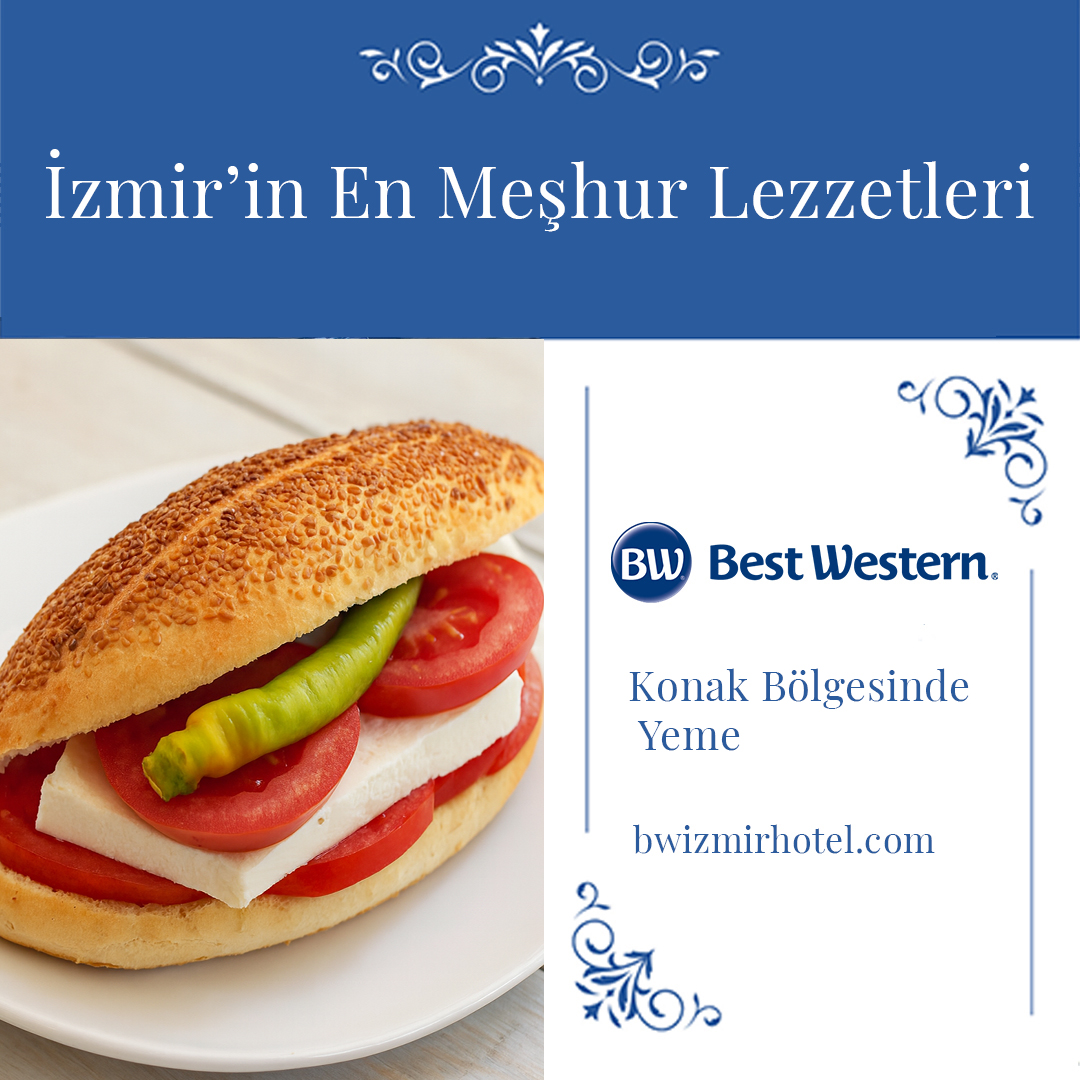
Izmir’s Most Famous Flavors and Konak Dining Spots
Izmir is not only a city of history and sunshine — it is also a gastronomic destination that represents the very essence of Aegean living. The Konak district, located in the heart of the city, is where the flavors of tradition, culture, and daily life come together. From local bakeries serving boyoz at sunrise to seafood restaurants glowing with evening lights along Kordon, every corner of Konak offers a culinary story waiting to be discovered.
This guide presents seven must-try experiences for food lovers exploring Izmir. Each section highlights a different aspect of the city’s food culture — breakfast rituals, street delicacies, fresh seafood, dessert traditions, and the warmth of local markets. Together, they form a sensory journey through the flavors that define the city’s character and hospitality.
A City Where Food Tells Stories
Food in Izmir is not just nourishment — it is language, memory, and celebration. Locals greet the morning with boyoz and tea, share kumru sandwiches at midnight, and linger over long dinners accompanied by mezze and conversation. The people of Izmir take pride in slow dining; every meal is an opportunity to connect. This rhythm of eating, resting, and enjoying defines the city’s relaxed yet vibrant identity.
“In Izmir, every meal begins with a story and ends with a smile.” – Local Saying
Where Tradition Meets the Sea
Konak is surrounded by the Gulf of Izmir, and the sea influences both its mood and its menu. From fishermen bringing in the day’s catch to local chefs transforming it into elegant dishes, the city’s cuisine is guided by freshness and authenticity. The use of olive oil, herbs, and seasonal vegetables connects Izmir’s dishes to the broader Aegean region, creating a perfect balance between simplicity and sophistication.
Why Konak is the Heart of Izmir’s Culinary Map
Konak is more than a central district — it is a living museum of Izmir’s food heritage. Walking through its streets means discovering small bakeries, family-run restaurants, and open-air markets where local products are sold with pride. Visitors can find every layer of the city’s gastronomy here: from traditional Turkish breakfasts to modern fine dining experiences. For travelers staying at BW Izmir Hotel, Konak serves as the perfect gateway to experience the city’s diverse flavors just steps away from their stay.
Overview
This article serves as a complete culinary guide to Izmir’s most famous flavors and Konak’s dining culture. Through seven carefully selected topics, it explores both the timeless traditions and the modern innovations that shape Izmir’s unique identity as the culinary capital of the Aegean.
Structure of This Guide
- 1. Boyoz and Gevrek Culture – Izmir’s beloved breakfast tradition
- 2. The Legendary Kumru Sandwich – A street classic born in Konak
- 3. Stuffed Mussels and Kokoreç Corners – The city’s iconic night-time snacks
- 4. Seafood Dining by the Gulf – Elegant meals by the Aegean
- 5. Sweet Shops and Coffee Traditions – The art of slowing down
- 6. Dinner Recommendations – Where to dine in the evening
- 7. Local Market Experiences – Exploring Izmir’s vibrant bazaars
Each chapter in this series brings readers closer to the heart of Izmir’s gastronomy — simple, authentic, and full of flavor. Whether you are a first-time visitor or a returning guest, the Konak district offers a culinary adventure that captures both the city’s soul and the warmth of its people.
Summary
“Izmir’s Most Famous Flavors and Konak Dining Spots” is an invitation to taste, explore, and experience the local culture through its most delicious expressions. From the scent of freshly baked boyoz to the sparkle of the sea during a dinner on Kordon, every moment becomes a memory — and every flavor tells a part of Izmir’s timeless story.
Boyoz and Gevrek Culture
To understand Izmir, you must begin with its mornings — and no Izmir morning begins without boyoz and gevrek. These two staples define the city’s breakfast culture and reflect its deep connection to both history and simplicity. Boyoz, a delicate, layered pastry introduced by the Sephardic Jewish community in the 15th century, has become a culinary emblem of Izmir. Made only with flour, water, and oil, it seems humble, yet the technique behind its creation is an art that few have mastered. Each bite is flaky, rich, and slightly smoky from the oven’s heat, perfectly complemented by a boiled egg and a glass of Turkish tea.
Alongside boyoz comes gevrek — Izmir’s local word for simit. While other regions in Turkey call it simit, Izmirians insist on “gevrek,” meaning “crisp.” This linguistic distinction is symbolic of Izmir’s independent identity and pride in its cultural uniqueness. Early in the morning, the aroma of toasted sesame seeds drifts through the streets from street vendors and bakeries. It’s more than food; it’s a ritual that defines the city’s rhythm. Locals often enjoy it by the sea, pairing gevrek with white cheese, tomatoes, and olives for a perfect Aegean breakfast.
Did You Know?
Traditional boyoz does not contain any dairy products or eggs — its unique texture comes solely from the careful folding and resting of the dough. Modern variations now include fillings such as cheese, spinach, or chocolate, appealing to both locals and visitors alike.
Where to Eat the Best Boyoz in Konak
The best way to experience boyoz is to visit the Kemeraltı Bazaar early in the morning. Small, timeworn bakeries around Hisarönü and Havra Street still bake them in traditional stone ovens, preserving recipes passed down for generations. Locals line up before sunrise to get their share of fresh boyoz — crisp on the outside and soft inside. For a more modern twist, several patisseries along Kordon serve updated versions with creative fillings while maintaining the original technique.
“In Izmir, breakfast without boyoz is like a day without sunlight.” – Local Saying
Gevrek and the Spirit of Izmir
The act of calling simit “gevrek” is more than a linguistic habit — it’s a statement of identity. Izmir’s version is slightly lighter and more golden than its counterparts in other Turkish cities, baked at higher temperatures for extra crispness. Street vendors carry them in baskets, calling out through the neighborhoods as the city wakes up. Sitting by the water on Kordon, enjoying a warm gevrek with tea, embodies the essence of life in Izmir: calm, connected, and full of simple joy.
From Tradition to Modern Tables
Many contemporary hotels and cafés in Izmir, including BW Izmir Hotel, have embraced the city’s breakfast heritage. Guests can enjoy freshly baked boyoz served with local olives, tomatoes, and Aegean cheeses — a blend of history and hospitality. This reinterpretation keeps the legacy alive while offering comfort and elegance to modern travelers. What began as a modest street food has now become a celebrated part of Izmir’s culinary identity, representing warmth, community, and the art of slow mornings.
Summary
Boyoz and gevrek are not merely foods — they are Izmir’s way of greeting the day. Together, they symbolize tradition, authenticity, and the quiet confidence of a city that celebrates simplicity. To start your morning in Konak with a warm boyoz and a crisp gevrek is to experience Izmir exactly as the locals do — with flavor, peace, and connection.
The Legendary Kumru Sandwich
When it comes to Izmir’s most famous street foods, the kumru sandwich holds an undisputed place at the top. Originating in the 1940s from the Konak and Alsancak districts, kumru began as a humble snack sold from mobile carts. Its name, meaning “dove” in Turkish, was inspired by the bird-like shape of the original bread. Over time, it evolved into a culinary icon, beloved by locals and travelers alike for its rich flavor and irresistible aroma.
The traditional Izmir kumru is made with a special sesame-coated bread, slightly soft yet crisp on the outside. It is filled with a delicious combination of sucuk (spicy Turkish sausage), salam, sausage slices, and melted kaşar cheese, all grilled together until the cheese oozes and the bread turns golden. Some versions add pickles, hot sauce, or mayonnaise, depending on the chef’s creativity. Though the ingredients may vary, one thing remains constant — it’s always served warm, and it’s always satisfying.
Did You Know?
The original kumru bread was baked in stone ovens using a sourdough-like fermentation process. The slight tang in the bread gave it its distinctive taste, which many modern bakers still try to replicate today.
Where to Try Kumru in Konak
Konak is the birthplace of the authentic kumru experience. Around Kemeraltı and Alsancak Harbour, small family-owned kiosks and diners still serve their own versions of this local favorite. Kumrucu Şevki and Kumrucu Apo are among the most well-known spots where both locals and visitors line up, especially in the evenings. For those seeking a more refined presentation, seaside restaurants along Kordon offer gourmet interpretations — such as kumru with yogurt sauce, roasted peppers, or even vegan variations using grilled vegetables and plant-based cheese.
“One bite of kumru is enough to understand Izmir’s soul — warm, simple, and unforgettable.” – Local Food Enthusiast
A Culinary Symbol of Togetherness
For Izmirians, kumru represents more than food — it’s a social ritual. It’s the late-night snack shared after a concert, the quick lunch during a busy day, or the comfort food on a seaside stroll. Friends often gather around kumru stands, chatting as the smell of grilled sausage fills the air. In that sense, kumru isn’t just eaten — it’s experienced. It’s one of the few dishes that connects people across generations, uniting students, workers, and travelers around a common table.
From Street Stalls to Hotel Menus
Today, BW Izmir Hotel and several other modern establishments proudly feature kumru on their menus, celebrating it as a symbol of local heritage. The hotel’s kitchen reinterprets this traditional dish with premium ingredients — artisanal bread, organic cheese, and locally sourced meats. Served with homemade sauces and Aegean olives, it turns a street snack into a gourmet delight while preserving its humble origins. The result is both familiar and sophisticated, appealing to visitors eager to taste Izmir’s authenticity in comfort.
Summary
The kumru sandwich is Izmir’s edible emblem of friendliness and flavor. It embodies the city’s passion for genuine, uncomplicated food that brings people together. Whether enjoyed at a busy street corner or in an elegant restaurant, kumru captures the essence of Izmir — warm, generous, and joyfully local.
Stuffed Mussels and Kokoreç Corners
As the sun sets over Izmir’s gulf, the city transforms. The rhythm of Konak changes — cafés quiet down, the lights along Kordon shimmer, and the irresistible aroma of stuffed mussels (midye dolma) and kokoreç fills the night air. These two legendary street foods are inseparable from Izmir’s vibrant nightlife and culinary identity. They reflect the spontaneity, warmth, and authenticity of a city that never truly sleeps.
Stuffed mussels are prepared by filling fresh mussel shells with aromatic rice cooked in olive oil, onions, pine nuts, and spices like cinnamon and black pepper. Once stuffed, they’re steamed to perfection and served with a splash of lemon juice. It’s customary to eat them standing up, one after another, in front of the street vendor — each bite balancing sea saltiness with spiced sweetness. Locals joke that you don’t count how many you eat; you only stop when you’re full.
Did You Know?
Midye dolma is believed to have been introduced to Izmir by Aegean fishermen and Ottoman-era cooks. Over time, it became the city’s most iconic nighttime snack, often paired with cold ayran or mineral water rather than alcohol — a uniquely Izmir habit.
Kokoreç: The Bold Taste of Izmir’s Streets
If midye dolma is Izmir’s gentle whisper, kokoreç is its fiery song. Made from lamb intestines wrapped around seasoned sweetbreads and roasted slowly over a charcoal grill, kokoreç is a dish of bold character and smoky flavor. In Izmir, the recipe differs from other Turkish cities — it’s typically less spicy, allowing the natural flavor of the meat to shine. Once grilled, it’s finely chopped, mixed with oregano, and served in fresh bread, sometimes with a touch of lemon or tomato.
Walking through Alsancak, Pasaport, or the inner streets of Kemeraltı, you’ll find kokoreç stands glowing with orange charcoal flames. Crowds gather around, chatting with the cook as he slices the sizzling rolls with rhythmic precision. It’s not only food; it’s a late-night ritual — part meal, part conversation, part tradition.
“Eating kokoreç in Izmir is not just about hunger; it’s about belonging to the night.” – Local Vendor
Safety, Freshness, and Trust
What makes Izmir’s street food stand out is its transparency and trust. Many vendors have served the same neighborhoods for decades, often known by name and reputation. Locals will tell you — “follow the crowd.” The busiest stands serve the freshest ingredients. Izmir’s municipal inspections ensure that hygiene and food safety meet modern standards, allowing both residents and visitors to enjoy these delicacies without worry.
From Street to Gourmet Experience
Recently, modern restaurants in Konak have begun reimagining these classic night bites. At BW Izmir Hotel, chefs have elevated midye dolma and kokoreç into refined small plates, served with Aegean herbs, citrus emulsions, and local wines. It’s a creative fusion of tradition and sophistication — the same flavors that once filled the streets, now plated with elegance. This approach bridges Izmir’s authentic street culture with its growing reputation as a culinary destination.
Summary
Stuffed mussels and kokoreç are more than snacks; they are the heartbeat of Izmir’s night. They embody the honesty, boldness, and warmth of the city’s people. To wander through Konak after dark and stop by a mussel or kokoreç stand is to taste the living rhythm of Izmir — spontaneous, flavorful, and endlessly human.
Seafood Dining by the Gulf
Izmir’s heart beats with the rhythm of the sea. Nowhere is this more evident than in Konak, where the scent of saltwater mingles with the aroma of grilled fish. Seafood dining here is not just a meal — it’s a lifestyle. Along the Kordon promenade, the city’s most scenic dining strip, restaurants open their doors to the Aegean breeze, serving dishes that reflect both simplicity and sophistication. The tables are filled with laughter, mezze, and wine, all illuminated by the soft glow of the gulf at sunset.
The cornerstone of Izmir’s seafood culture is freshness. Fishermen bring in their daily catch each morning — sea bass, gilt-head bream, red mullet, calamari, and octopus — which local chefs transform into timeless dishes. The cooking style remains faithful to Aegean tradition: grilled, baked, or cooked en papillote with olive oil, lemon, and fresh herbs. Every plate highlights natural flavor rather than heavy seasoning, allowing the sea to speak for itself.
Did You Know?
In Izmir, ordering fish “with olive oil and lemon only” is a proud tradition. Locals say that good fish needs no disguise — only respect for its freshness.
Dining with a View: The Kordon Experience
No culinary trip to Konak is complete without an evening meal by the sea. The Kordon area offers an unforgettable blend of ambiance and flavor. As the sun dips into the horizon, the city glows in shades of orange and gold, and the restaurants begin to fill. Some serve grilled octopus or calamari with a glass of crisp white wine, while others focus on full-course meals featuring seafood pasta, shrimp casseroles, or baked fish. Dining here is less about formality and more about immersion — a slow, sensory embrace of Izmir’s maritime charm.
“In Izmir, dinner by the sea is not planned — it simply happens when the sunset feels too beautiful to ignore.” – Local Saying
Affordable Fish Taverns
Konak also offers authentic experiences for every budget. In Kemeraltı and the backstreets near the Agora Market, you’ll find humble taverns serving fish straight from the grill onto your plate. The dishes come with a side of salad, bread, and lemon — nothing fancy, but full of heart. These family-owned eateries are frequented by locals who value honesty in flavor over luxury in décor. Eating there feels like being invited into someone’s home — an experience that defines Izmir’s generous hospitality.
Modern and Gourmet Interpretations
For those seeking a more contemporary setting, restaurants at BW Izmir Hotel and along the Alsancak waterfront have redefined the seafood experience. Dishes like sea bass carpaccio, grilled octopus salad, and shrimp linguine with olive oil and herbs bring a modern touch to Aegean tradition. The presentation is refined, yet the soul remains true to Izmir — light, flavorful, and unpretentious. Paired with local wines from the Urla region, this fusion of tradition and innovation highlights how deeply Izmir’s identity is rooted in its sea.
Insider Tip
The best time for seafood dining in Konak is during sunset, between 7:00 and 9:00 PM. Reservations are recommended, especially on weekends. For an authentic experience, request a seaside table and let the rhythm of the waves accompany your meal.
The Social Life of Seafood
In Izmir, a seafood dinner is an act of gathering. Families, friends, and colleagues meet at fish restaurants weekly — not merely to eat, but to share life. These meals often stretch for hours, accompanied by conversation, laughter, and the clinking of glasses. It’s not just dining; it’s storytelling. To eat fish in Izmir is to join a ritual that celebrates both the sea and human connection.
Summary
Seafood dining in Konak captures everything that defines Izmir — freshness, friendship, and the freedom of the sea. Whether you’re enjoying a simple grilled fish at a family tavern or a gourmet seafood platter with a panoramic view, every bite is a reminder that Izmir’s culinary soul lives where land meets water.
Sweet Shops and Coffee Traditions
After a flavorful meal in Konak, Izmir’s rhythm slows into its sweetest form — dessert and coffee. The city’s sweet shops and coffee houses are not just places to eat and drink; they are social landmarks where stories are shared, and time itself seems to pause. From century-old patisseries to new wave cafés, Izmir carries its dessert culture with grace and nostalgia, always connecting taste with emotion.
One of the city’s most beloved sweets is şambali, a semolina-based dessert baked with yogurt and almonds. Its texture is dense yet moist, sweetened with syrup that brings balance without heaviness. Another local favorite is lor tatlısı, made with fresh curd cheese and often topped with honey or fruit syrup. These two desserts reflect Izmir’s signature culinary character — simple ingredients elevated through craftsmanship and patience.
Did You Know?
The origins of şambali date back to Ottoman-era bakeries, and its name derives from the Arabic word “sham,” meaning Damascus, showing the dessert’s Middle Eastern influence on Izmir’s table.
The Coffee Ritual
In Izmir, Turkish coffee is more than a drink — it’s an art form. Brewed slowly in a copper pot called a cezve, it is served in small cups with foam on top, accompanied by a glass of water and a piece of Turkish delight. Locals take pride in the phrase, “A cup of coffee is remembered for forty years,” symbolizing loyalty and friendship. The act of serving coffee is as meaningful as the flavor itself — a gesture of hospitality and respect.
Konak’s historical cafés, such as those near Kemeraltı and Kızlarağası Hanı, are perfect places to witness this tradition. Sitting in one of these courtyards, surrounded by antique shops and lively chatter, visitors can experience Izmir’s social essence in its most authentic form. The rich aroma of freshly ground coffee beans blends with the hum of conversation, creating an atmosphere that transcends time.
“Coffee in Izmir isn’t drunk; it’s lived.” – Local Barista
Modern Dessert and Coffee Culture
While traditional flavors remain strong, modern Izmir has embraced innovation. Cafés in Alsancak and along Kordon combine international pastry techniques with local ingredients. You’ll find cheesecakes infused with Turkish honey, chocolate mousse with mastic resin from Çeşme, and espresso-based drinks made with locally roasted beans. These spaces cater to a new generation that values both tradition and creativity — people who seek comfort in the old and excitement in the new.
Sweet Experiences Near BW Izmir Hotel
Guests staying at BW Izmir Hotel can enjoy the best of both worlds. The hotel’s in-house café offers an elegant dessert menu inspired by Izmir classics — including şambali bites with clotted cream and mastic panna cotta with rose syrup. Paired with hand-brewed Turkish coffee or specialty espresso, each serving transforms a familiar flavor into a luxurious experience. A short walk from the hotel, the streets of Konak offer numerous dessert shops and cafés where locals unwind in the evening, often sharing pastries and conversation long after dinner has ended.
Insider Tip
In Izmir, desserts are often enjoyed at night rather than after lunch. Locals prefer to stroll along Kordon, stop for coffee and sweets, and let the evening unfold slowly — a ritual that defines the city’s relaxed pace of life.
The Social Meaning of Sweets and Coffee
For Izmirians, dessert and coffee are not indulgences — they’re expressions of community. Offering coffee to a guest or sharing a plate of şambali with a friend carries emotional weight. Every cup poured is an invitation to connect, every bite shared a sign of trust. This cultural rhythm makes even the smallest café feel like home. In Konak, where history meets modern comfort, that sense of belonging continues to thrive — one coffee, one dessert, and one conversation at a time.
Summary
Sweet shops and coffee traditions in Izmir represent the harmony between past and present. From classic pastries to artisan cafés, every flavor invites you to slow down and savor the city’s gentle tempo. In the heart of Konak, sweetness is not just a taste — it’s a state of mind.
Dinner Recommendations
Evenings in Izmir carry a calm energy — a blend of sea breeze, soft city lights, and the hum of conversation from open-air restaurants. In Konak, dinner is not rushed; it’s celebrated. Locals see it as the highlight of the day, a moment to gather, unwind, and enjoy the region’s abundant flavors. Whether you prefer an authentic tavern atmosphere, a seaside restaurant, or modern Aegean fine dining, Konak offers something for every palate.
Dining here is guided by one philosophy: fresh ingredients and shared experience. Meals start with an array of mezze — small appetizers served in colorful plates. From artichokes with olive oil to fava bean purée, roasted eggplant salad, and grilled octopus, each dish carries the simplicity and elegance of Aegean cuisine. The main course might feature lamb cooked slowly in herbs, grilled sea bass, or seafood pasta — all enhanced by local olive oil and fresh lemon. And of course, no Izmir dinner is complete without a glass of rakı or a crisp Urla white wine.
Did You Know?
Rakı, Turkey’s traditional anise-flavored drink, is often called “lion’s milk” because of its milky appearance when mixed with water. In Izmir, it’s not just a drink but part of a cultural ritual — always enjoyed slowly, with food, laughter, and long conversations.
Top Dinner Spots in Konak
For visitors seeking authentic dining experiences, Konak offers a rich variety of restaurants that highlight the region’s heritage and creativity:
- Kordon Meyhaneleri (Taverns by the Gulf): Classic spots along the promenade serving seafood, live music, and an unbeatable sunset view.
- Kemeraltı Hidden Restaurants: Family-owned kitchens offering home-style Aegean dishes like stuffed vine leaves, olive oil artichokes, and baked sardines.
- Alsancak Gourmet Spaces: Trendy venues blending international and Turkish flavors — ideal for a modern twist on local cuisine.
“Dinner in Izmir is never about time — it’s about taste and company.” – Local Saying
BW Izmir Hotel: A Refined Aegean Experience
Guests at BW Izmir Hotel can enjoy a curated dinner experience that combines traditional Aegean flavors with modern presentation. The hotel’s signature restaurant features dishes such as sea bass with artichoke purée, shrimp casserole, and lamb with rosemary glaze, prepared using locally sourced ingredients. The ambiance is elegant yet relaxed — perfect for both business travelers and vacationers seeking comfort and authenticity in one setting. Soft lighting, sea-inspired décor, and professional service create an atmosphere of refined tranquility.
Local Dining Etiquette
To dine like a true Izmirian, remember that meals are meant to be shared and savored. Locals often order several mezze for the table and enjoy them slowly while chatting. Eating in Konak is not just about the food; it’s about connection. It’s common for dinners to last hours, moving from mezze to main courses, then to dessert and coffee — all accompanied by friendly conversation and occasional bursts of laughter. Tipping is appreciated, usually around 10% for good service, and reservations are recommended on weekends.
Insider Tip
For an unforgettable night, dine at a seaside restaurant on Kordon during sunset, then take a walk along the waterfront. The reflection of the city lights on the gulf makes Konak one of the most romantic dinner destinations in Turkey.
Pairing Aegean Wines with Dinner
Izmir’s nearby wine regions — especially Urla and Seferihisar — produce exceptional wines that complement the city’s cuisine. A crisp white wine pairs perfectly with seafood mezze, while light reds go well with lamb and grilled vegetables. Many restaurants proudly serve local labels, supporting regional winemakers and promoting sustainable gastronomy. Wine tasting dinners are also becoming popular in Konak, offering visitors a deeper appreciation for the connection between land, food, and culture.
Summary
Dinner in Konak is more than eating — it’s participation in Izmir’s cultural heartbeat. Whether in a traditional tavern or a fine-dining restaurant, each meal tells a story of friendship, sea, and timeless taste. For travelers, dining in Konak offers a rare opportunity to experience Aegean life through its most essential ritual: sharing a meal beneath the evening sky.