
Historic Mosques and Churches in Konak
Konak stands as a symbolic crossroad of İzmir’s multicultural history. Within a compact radius, one can experience the architectural and spiritual heritage of Ottoman, Greek Orthodox, and Levantine communities. These structures represent not only religious devotion but also centuries of social coexistence and urban transformation.
Konak Square and Yalı Mosque
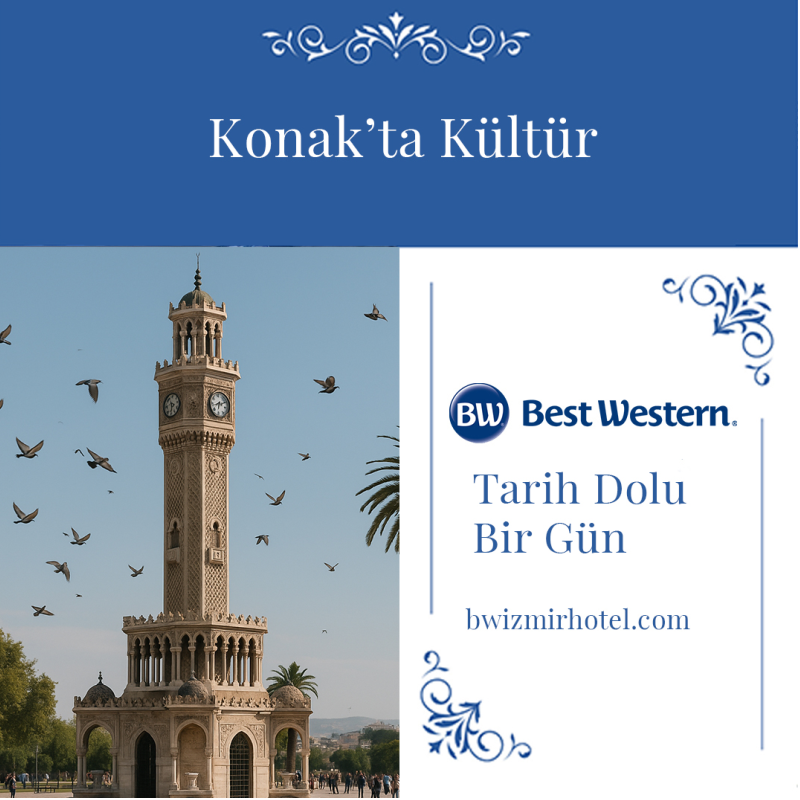
The Yalı Mosque, located in Konak Square beside İzmir’s iconic Clock Tower, is a fine example of late Ottoman architecture. Its balanced proportions and turquoise tiles make it one of the most photographed landmarks in the city. The harmony between the mosque and the surrounding civic space reflects the intersection of worship and public life in Ottoman urban design.
Kemeraltı’s Religious Corridor
The Hisar Mosque, Şadırvanaltı Mosque, and Salepçioğlu Mosque form a historical corridor within Kemeraltı Bazaar. Their domed interiors, slender minarets, and decorative details offer insights into İzmir’s Islamic architectural evolution. Together, they reveal how faith and trade coexisted seamlessly in the city’s daily rhythm.
Saint Vukolos Church
The Saint Vukolos Church, located near Agora, represents İzmir’s Greek Orthodox heritage. After careful restoration, it now functions as a cultural center hosting art exhibitions and performances, bridging the city’s past with its modern creative identity.
Tip
Group visits should be scheduled outside prayer hours. Use low voices and avoid flash photography inside worship areas.
Conclusion
Konak’s mosques and churches embody the spiritual and cultural fabric of İzmir. Exploring these monuments offers not just a visual experience but a deeper understanding of coexistence and shared history.
Old İzmir Houses: The Architectural Memory of Konak
Konak’s residential architecture reflects the evolution of İzmir’s social and economic history. The neighborhoods of Basmane, Dönertaş, and Kestelli preserve 19th-century houses with elegant wooden and stone façades. These homes reveal how Levantine merchants and local craftsmen shaped the city’s urban identity.
Architectural Features
Typical İzmir houses feature two floors, a stone base, and wooden upper structures. Bay windows and ornate shutters provide both ventilation and street interaction. High ceilings, wide doors, and handcrafted details exhibit a balance between function and aesthetics, mirroring the cosmopolitan lifestyle of the period.
Restoration and Urban Renewal
Municipal restoration initiatives have revitalized numerous heritage buildings. Many former residences now serve as art galleries, boutique hotels, and cafés. This adaptive reuse model sustains cultural continuity while integrating the old texture into contemporary urban life.
Tip
For photography or architectural observation, visit early in the morning. The natural light enhances textures and minimizes crowd interference.
Conclusion
Old İzmir houses are living documents of craftsmanship and memory. They connect today’s visitors with the intimate, handcrafted character of İzmir’s historical urban fabric.
Art and Culture in Kültürpark: The Creative Core of İzmir
Kültürpark functions as İzmir’s green cultural hub — a fusion of nature, art, and civic space. Established in 1936, it remains central to the city’s artistic and community identity. Hosting exhibitions, concerts, theatre performances, and biennials, it offers an open platform for cultural exchange.
Art Venues and Institutions
İzmir Sanat, Atlas Pavilion, and Lozan Exhibition Hall feature rotating exhibitions and performances. These venues accommodate both local artists and international events, making Kültürpark an active part of İzmir’s creative economy.
Outdoor Cultural Experience
During summer, open-air cinemas and music festivals transform the park into a vibrant social arena. Its lake area and walking paths offer relaxing intervals between cultural programs, balancing art appreciation with leisure.
Tip
Before planning a visit, check the municipality’s cultural schedule to align with current exhibitions or performances.
Conclusion
Kültürpark represents İzmir’s cultural resilience — a living stage where art, community, and environment harmoniously coexist.
Konak Pier: Where History Meets Modern Leisure
Konak Pier combines 19th-century industrial architecture with contemporary retail and dining experiences. Designed by Gustave Eiffel, the building originally served as a customs warehouse before its transformation into a commercial and social landmark on the İzmir waterfront.
Architectural and Cultural Heritage
The building’s stone façade, iron columns, and arched windows showcase early industrial aesthetics. Modern restoration preserved these features while adding comfort and accessibility for today’s visitors. The result is a balanced blend of heritage and function.
Shopping and Gastronomy
Konak Pier’s cafés, designer shops, and seaside restaurants offer a premium yet relaxed atmosphere. It serves as a convenient midpoint for both tourists and professionals seeking a scenic break during business or leisure trips.
Tip
Reserve in advance for dinner at seaside restaurants, especially around sunset when the pier offers its best view of İzmir Bay.
Conclusion
Konak Pier embodies İzmir’s dual identity — modern yet historical, vibrant yet refined. It’s a must-see destination for both culture enthusiasts and corporate travelers.
Local Handicraft Workshops: Konak’s Living Heritage
Konak preserves its artisan spirit through workshops scattered across Kemeraltı and Kestelli districts. Traditional crafts such as copperwork, leather design, ceramic art, and jewelry making continue to thrive, supported by master artisans who pass down their skills across generations.
Craftsmanship and Tradition
The Kızlarağası Hanı area remains the nucleus of artisanal activity. Here, visitors can observe handcrafted production processes and interact with artisans. The tactile experience of these workshops connects people directly to İzmir’s creative heritage.
Corporate and Educational Integration
For corporate groups, hands-on craft sessions can serve as team-building activities that promote creativity and cultural awareness. These programs simultaneously contribute to the local economy and reinforce sustainable tourism models.
Tip
Weekday mornings are ideal for workshop visits — artisans are available for demonstrations and fewer crowds allow a closer look at the process.
Conclusion
Handicraft workshops keep Konak’s cultural production alive. They are not just tourist stops but functioning bridges between past traditions and contemporary design.
Historic Coffeehouses: The Social Pulse of Konak
Konak’s old coffeehouses are social landmarks that echo İzmir’s storytelling tradition. Found mainly around Kemeraltı, Agora, and Basmane, these venues serve as spaces of conversation, poetry, and art rather than mere refreshment spots.
The Coffee Culture of Kemeraltı
The Kızlarağası Hanı’s inner cafés preserve 19th-century aesthetics and authentic Turkish coffee preparation methods. They offer atmospheric spaces where commerce, art, and community intersect. Visitors can witness the rhythm of İzmir’s daily life while sipping coffee brewed in copper pots.
Contemporary Cultural Venues
Today, places like Kemeraltı Sanat Kahvesi and Agora Kültür Kahvesi host poetry readings, workshops, and intimate concerts. These activities sustain the artistic legacy of İzmir’s intellectual circles from the mid-20th century.
Tip
For authentic ambience and natural lighting, visit early in the morning before crowds gather.
Conclusion
Konak’s coffeehouses remain living testaments to İzmir’s social identity. They blend history, conversation, and taste into a truly local experience.
Photography Tips: Capturing the Soul of Konak
Konak offers natural light, texture, and diversity for photographers of all levels. Its streets, landmarks, and coastline provide endless opportunities to frame İzmir’s urban beauty through artistic and documentary lenses.
Golden Hour Locations
Morning light at Konak Square highlights the Clock Tower and Yalı Mosque with soft shadows. In the evening, the walk from Kordon to Konak Pier captures the golden hues of İzmir Bay, ideal for wide-angle landscape photography.
Street Photography Hotspots
Kemeraltı Bazaar offers dynamic human scenes and color contrasts. The Agora district’s narrow alleys are rich in textures, doors, and faces that reveal İzmir’s human warmth.
Tip
Tripod use may be restricted in heritage areas. Carry a compact camera or fixed-lens setup for mobility.
Conclusion
Each corner of Konak holds a visual story. With mindful observation and sensitivity to cultural context, photographers can capture the authentic essence of İzmir.